
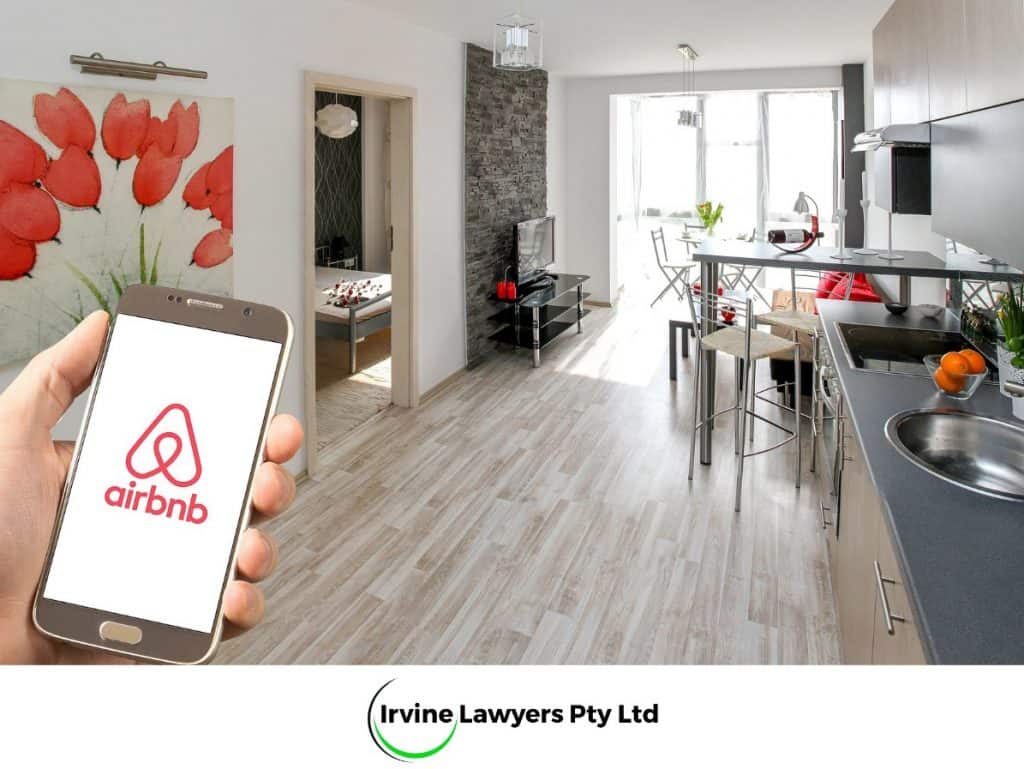
If you have looked at booking holiday accommodation recently, chances are you have come across Airbnb. You may also know someone who rents out a spare room and talks about the extra money they are making.
But what is Airbnb, how does it work, and what are the legal implications of making money from your spare space on a casual basis?
What is Airbnb?
Airbnb describes itself as a “Community Built on Sharing” and a simple way for people to earn income from extra space.
The idea of renting spare space is not new. However, Airbnb introduced a rating system where both hosts and guests are reviewed after each stay.
Airbnb launched in San Francisco in 2008. It has grown into a global platform with more than 2 million listings across over 34,000 cities worldwide. It reports tens of millions of guest stays.
How does it work?
Hosts and guests begin by creating an Airbnb profile.
Hosts then list their accommodation with details and pricing. Options range from a spare room in a shared home to entire properties, including unique stays.
The host sets the price. Airbnb adds a service fee to each booking.
Is it legal?
When listing a property, hosts agree to Airbnb’s terms. This includes confirming compliance with lease agreements, body corporate rules, and local zoning laws.
However, legality depends on where you live.
Some councils allow short-term rentals with approval. Others restrict or prohibit them. Enforcement often depends on neighbour complaints.
For example, a Sydney resident in Annandale was threatened with a large fine after a neighbour complained about short-term letting.
In Victoria, rules also vary. However, a Victorian Civil and Administrative Tribunal decision found that an owners corporation could not ban stays of less than 30 days in that case, supporting short-term rentals in that complex.
What about insurance?
Airbnb provides a “Host Guarantee” for certain types of damage. However, this is not insurance.
Airbnb states that agreements are between hosts and guests. Airbnb acts only as a payment facilitator.
Hosts should check their insurance policies carefully. Many do not automatically cover short-term rental use.
The Host Guarantee does not cover everything. It excludes cash, securities, pets, and some valuables. Some items such as jewellery and artwork also have limited protection.
What if someone is injured while staying?
Accidents can happen in short-term rentals.
In one case in Texas, a guest died after a tyre swing failed when a tree branch broke. The host’s insurance responded, so no claim was made against Airbnb.
However, if insurance does not respond, a host may face serious financial risk. Whether a claim against Airbnb would succeed remains unclear.
It is always best to check first
If you are considering renting your home as short-term accommodation, you should check insurance and local regulations first.
Rules vary between councils and states. It is important to seek legal advice before listing your property, not after a problem arises.
If you or someone you know wants more information or needs help or advice, please contact us on (03) 9422 5439 or email [email protected].
Or speak with one of our Warrnambool Lawyers or South Morang Lawyers.